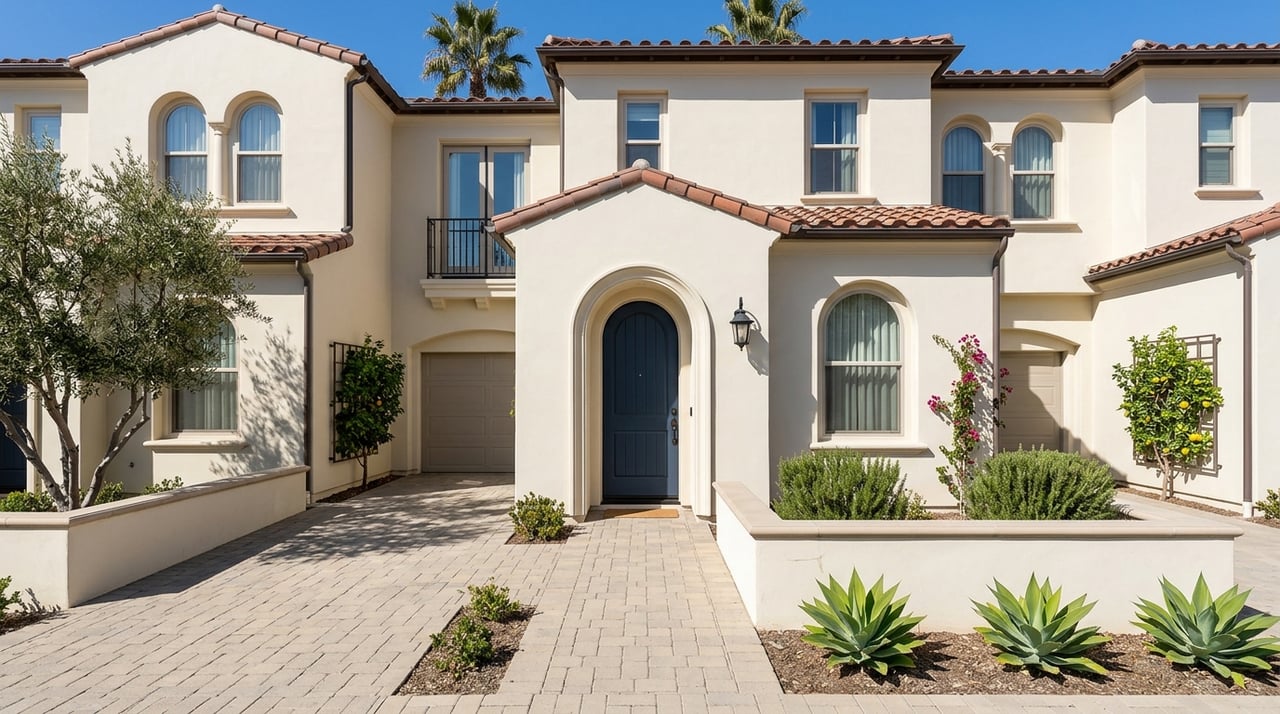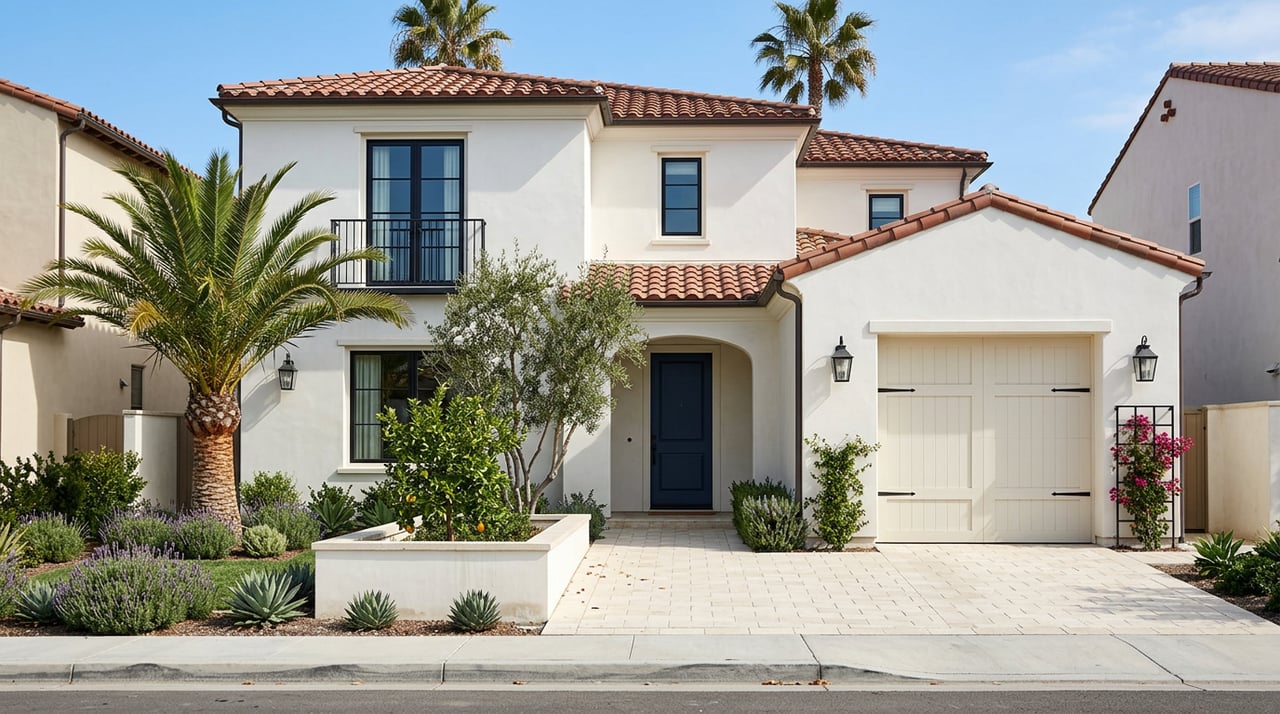
Selling in Claremont is not the same as selling just anywhere in Southern California. In a city with historic homes, condos, townhomes, and established single-family neighborhoods, the right listing agent can shape how your home is priced, presented, and negotiated. If you want to sell with confidence, it helps to know exactly what to look for before you sign a listing agreement. Let’s dive in.
Why agent choice matters in Claremont
Claremont is a distinct market with about 35,640 residents across 13.34 square miles, and the city’s housing stock is notably varied. The City of Claremont overview highlights everything from tree-lined streets and the historic Village to homes of historical significance, which means pricing and marketing can vary a lot from one property to the next.
That matters even more in a high-value market. Recent data from Redfin’s Claremont housing market page shows a March 2026 median sale price of $1,091,500, while the research summary also notes Zillow’s typical home value above $1.0 million. In a market like this, small pricing mistakes can have a big effect on your timeline and final result.
Start with local pricing skill
A strong Claremont listing agent should be able to explain exactly how they arrived at your suggested list price. According to the National Association of Realtors consumer guide for sellers, one of the most important questions you can ask is how the agent determined the list price.
You are not just looking for a confident answer. You are looking for a clear, data-backed explanation tied to recent market activity, comparable homes, and your property’s condition, features, and location.
In Claremont, that local judgment matters because one pricing strategy may work for a historic property, while another may make more sense for a condo, townhouse, or newer home. Since the city includes a wide mix of housing types, your agent should be comfortable explaining how your home fits into the current buyer pool and how that affects pricing.
Ask for a real marketing plan
Good marketing should sound specific, not generic. NAR advises sellers to ask how their home will be marketed and how buyers will be attracted, not just whether the agent will "put it online."
A thoughtful answer should include use of the MLS, where agents can expose your listing to the broadest possible buyer pool. It should also cover how the home will be presented, what materials will be created, and how the agent plans to generate interest once the listing goes live.
For many sellers, it also helps to ask what is included in the agent’s service. That may include professional photography, open houses, staging coordination, transaction management, and broader digital distribution. In California, compensation terms are negotiable, so you should understand what you are getting for the fee and have those terms clearly stated in writing.
Look for prep guidance, not just promises
A strong listing agent should not stop at pricing and photos. They should also help you understand what needs to happen before your home hits the market.
NAR’s seller guidance notes that staging, curb appeal, and pre-sale inspections can help a property show better and uncover issues before buyers do. The same guidance also suggests gathering appliance manuals and warranties early to help reduce avoidable closing delays.
That kind of practical advice matters because preparation often affects both buyer perception and negotiation strength. If an agent cannot clearly explain how to get your home market-ready, that is worth noting during the interview process.
Pay attention to communication style
Many sellers focus on pricing and commission first, then think about communication later. That can be a mistake.
NAR reporting shows that sellers value trustworthiness and reputation, while buyers place a high value on frequent updates, phone and text communication, and prompt status changes. Even though those findings cover the broader client experience, the takeaway is simple: you should know how often you will hear from your agent, how updates will be delivered, and who your day-to-day contact will be.
Ask direct questions such as:
- How often will I receive updates?
- Will you contact me by phone, text, or email?
- Will I work directly with you or with a team member?
- How quickly do you respond when market conditions change?
The best fit is usually an agent whose communication style matches yours. Clear expectations early can make the entire selling process less stressful.
Use interviews to compare agents fairly
When you interview listing agents, use the same checklist with each one. That makes it easier to compare answers without getting distracted by personality or sales pitches.
Based on NAR’s seller guidance, here are some of the best questions to ask:
- Are you a REALTOR®?
- How familiar are you with the Claremont market?
- What services are included in your listing package?
- What will be included in the listing contract?
- How did you determine the suggested list price?
- How will you market my home?
- How do you attract and screen buyers?
- What do I need to do to get my home ready?
- Can I speak with recent clients?
- How many homes did you and your brokerage sell last year?
- How long does it typically take you to sell a home?
- How does your final sale price usually compare with the original list price?
These questions help you move beyond general claims and focus on actual process, experience, and execution.
Review online reviews carefully
Reviews can be helpful, but they should not be the only reason you hire someone. The Better Business Bureau’s guide to spotting fake reviews recommends looking for detailed, specific feedback, checking multiple platforms, and being cautious about generic or tightly clustered reviews.
That advice matters even more now. The FTC’s 2024 rule prohibits fake or false reviews, paid sentiment, and review suppression, so it makes sense to approach online feedback thoughtfully.
It also helps to keep reviews in perspective. NAR found that only 5% of sellers relied on internet searches to find their agent, while referrals from friends, neighbors, and relatives were far more common. In other words, reviews are a screening tool, not full proof of performance.
Discuss commission and representation clearly
This is an area where clarity matters. According to the California Department of Real Estate consumer alert, commissions are fully negotiable under California law, and any claim that there is a standard rate is misleading.
That means you should ask direct questions about compensation, what services are included, and whether there are any additional marketing or transaction-related costs. You can also ask how buyer-side compensation requests or seller concessions may be handled during negotiations.
You should also ask about agency relationships. NAR notes that agents should be able to explain their obligations to clients and how they handle representation, and California consumers should pay attention to dual-agency disclosures and contract terms. If an agent cannot explain this clearly, keep asking until you are comfortable.
Choose value over flash
The best Claremont listing agent is not always the one with the biggest pitch. The better choice is usually the professional who can explain the market, support a pricing strategy with current data, present a detailed marketing plan, communicate consistently, and define compensation and representation in writing.
In a market where recent values are around the $1.0 million mark and homes can move quickly, disciplined execution matters. You want someone who is prepared, responsive, and honest about what it will take to position your home well.
If you are thinking about selling in Claremont and want a clear, data-driven plan, Jose Camejo offers hands-on guidance, strong communication, and professional marketing support to help you move forward with confidence.
FAQs
What should you ask a Claremont agent before listing your home?
- Ask about local market experience, pricing strategy, marketing plan, buyer screening, communication style, listing contract terms, and recent client references.
Why does local experience matter when choosing a Claremont listing agent?
- Claremont has a mix of historic homes, condos, townhomes, and single-family properties, so an agent should understand how property type and location can affect pricing and presentation.
How do you compare listing agent commissions in California?
- Focus on total value, not just percentage, and ask what services are included since commission terms are negotiable under California law.
How can you tell if online real estate reviews are trustworthy?
- Look for detailed, specific reviews across multiple sites, check timing patterns, and be cautious of generic or overly similar posts.
What makes a strong marketing plan for a Claremont home sale?
- A strong plan should clearly explain MLS exposure, listing presentation, buyer outreach, home prep recommendations, and how the agent intends to attract qualified buyers.
How often should a listing agent update you during a home sale?
- You should ask this directly during the interview, but the key is having a clear schedule, preferred contact method, and defined point of contact before the listing begins.