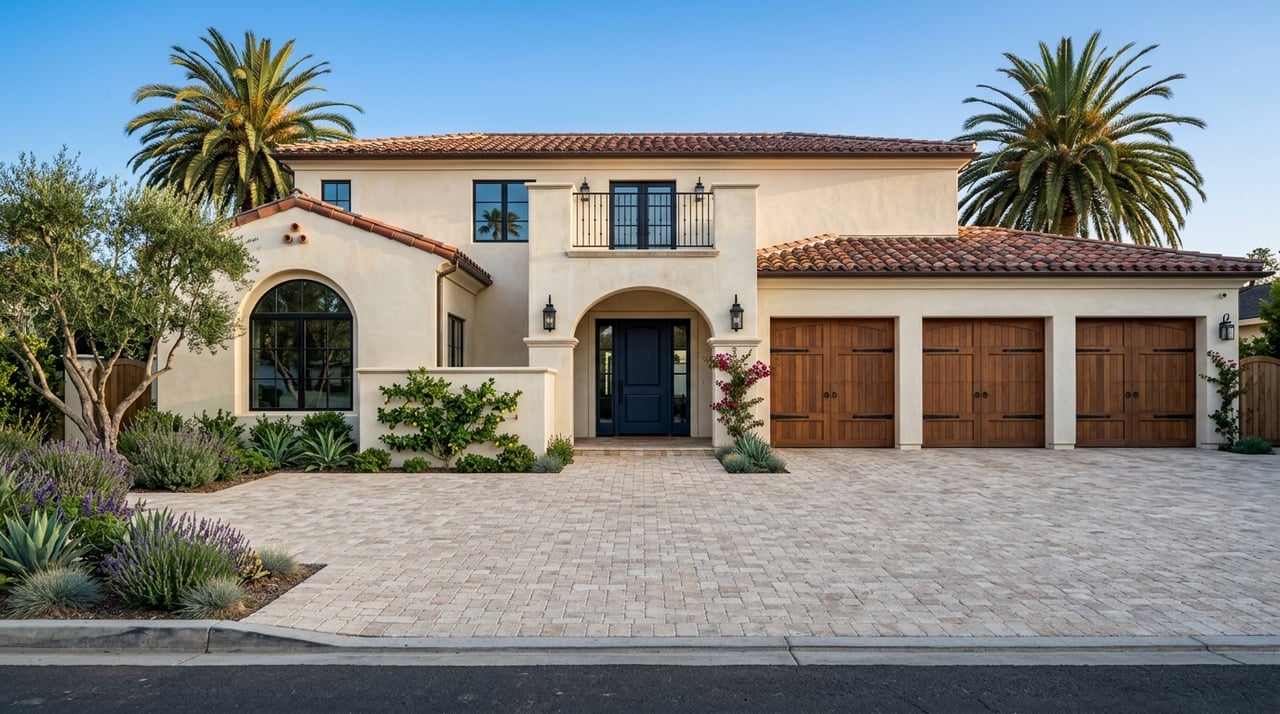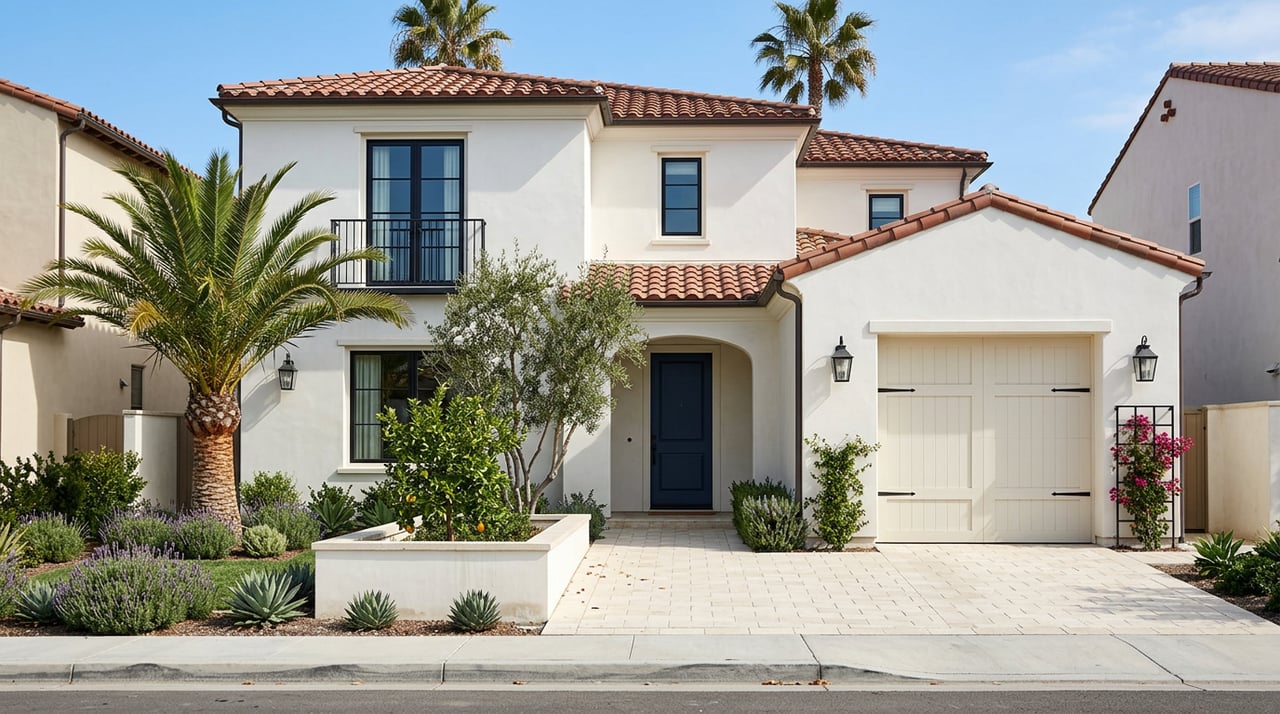
Thinking about buying a rental in Chino but unsure where to start? You are not alone. Investors love the city’s location and strong renter demand, yet the numbers can feel tight at first glance. In this guide, you will see which neighborhoods attract renters and how the math pencils out in today’s market, from rents and GRM to cap-rate context and rules every California landlord should know. Let’s dive in.
Why invest in Chino
Access and steady demand
Chino sits at the junction of Routes 60 and 71 in southwestern San Bernardino County. You are close to Inland Empire job centers, Ontario International Airport, and within commuting range of parts of Los Angeles and Orange County. Newer master-planned projects like The Preserve and its Town Center are adding housing and amenities, which helps sustain renter interest. The City’s housing analysis also points to historically modest rental vacancy around 4.8 percent, a sign of steady absorption and a generally stable rental base. You can review the vacancy context in the city’s housing element for more background.
- City vacancy context: See the City of Chino’s housing element for the 4.8 percent rental vacancy figure and planning outlook. City of Chino housing element
Prices and rents today
As of early 2026, major data vendors report Chino’s typical home value in the mid to high 700s. Recent snapshots place the city’s median around 750,000 to 770,000, depending on methodology and date. On the rent side, observed asking rents cluster in the high 2,000s to low 3,000s per month. A recent city-level rent index showed an average near the low 3,000s, while a separate snapshot placed the city median near the high 2,000s. Bedroom breakdowns show 1-bedrooms around 1,900 and 2-bedrooms around 2,440, with single-family homes often higher. Date-stamp and verify the latest numbers when you run comps.
Neighborhoods to watch
Treat Chino as a set of micro-markets. Each pocket draws a slightly different renter profile and offers different price points and property types.
The Preserve and Town Center
This fast-growing area blends new apartments, townhomes, and single-family homes with planned retail and green space. If you favor newer construction, this is a natural first stop. Newer stock can command premium rents, and modern amenities often appeal to tenants who want an easy commute and a turnkey home. For a snapshot of the local vision and mix of uses, review the Town Center at The Preserve project overview. Town Center at The Preserve overview
What to expect:
- Product mix: Newer SFR, townhomes, and apartments.
- Pricing posture: Often at or above the city median due to new-build premiums.
- Renter appeal: Newer homes, proximity to planned retail, and a master-planned feel.
- Investor tip: Confirm HOA rules on rentals, fee schedules, and any lease restrictions.
College Park and southern HOAs
These HOA-governed communities offer shared amenities like pools and fitness rooms, which can lift rent potential. Homes are typically newer than the city’s older core.
What to expect:
- Product mix: SFR and townhomes in planned tracts with amenities.
- Pricing posture: Frequently near or above the city median.
- Renter appeal: Community amenities and relatively modern floor plans.
- Investor tip: Underwrite HOA dues and rule compliance. Some HOAs have limits on leasing or require registration.
Old Town and Downtown
Old Town’s historic core and nearby parks provide a walkable, small-district feel. Housing here includes older single-family homes and small multifamily.
What to expect:
- Product mix: Older SFR, duplexes, small apartments.
- Pricing posture: Often below newer planned areas, with potential value-add.
- Renter appeal: Walkability to services and parks, character homes.
- Investor tip: Budget for renovation and ongoing maintenance on older systems.
North and Central Chino
These established neighborhoods feature midcentury and late 20th-century housing. Investors often find smaller homes that can be refreshed to reach market rent.
What to expect:
- Product mix: Older SFR on modest lots, some small multifamily.
- Pricing posture: Frequently at or below the city median depending on condition.
- Renter appeal: Central access and more traditional neighborhood layouts.
- Investor tip: Factor in capital improvements like roofs, HVAC, and plumbing.
West Chino near Prado
Close to regional parkland and recreation, this area appeals to long-term tenants seeking outdoor access. Some blocks sit near industrial pockets or the Chino Airport, which can influence tenant preferences.
What to expect:
- Product mix: SFR with pockets of small multifamily.
- Pricing posture: Varies by proximity to recreation and industrial uses.
- Renter appeal: Access to Prado Regional Park and larger open spaces.
- Investor tip: Walk the block at different times of day and note traffic, noise, and odors.
What rents look like today
Below is a simple snapshot that reflects recent vendor data. Always verify with live listings when you run comps and date-stamp your analysis.
- City average asking rent snapshot: low 3,000s per month in late February 2026.
- City median asking rent snapshot: high 2,000s per month in mid March 2026.
Sample bedroom-level view (vendor snapshot):
| Unit type | Typical asking rent |
|---|---|
| 1-bedroom | About $1,905 |
| 2-bedroom | About $2,440 |
| Single-family home | About $3,340 |
Note: A specific 3-bedroom figure was not provided in the cited snapshot. Many 3-bedroom SFRs track near the single-family home average shown above.
Running the numbers
Let’s use a simple example to show how yield can look at current levels. Replace these with live comps when you underwrite a property.
- Purchase price example: $760,000 (midpoint of recent city range)
- Monthly rent example: $3,340 for a similar house
- Annual gross rent: $40,080
Quick metrics:
- GRM: $760,000 divided by $40,080 equals about 19. That is common in many Southern California suburbs.
- Expense assumption: If operating expenses take 40 to 50 percent of gross, then NOI ranges between about $20,040 and $24,048.
- Cap rate: NOI of $24,048 on $760,000 is about 3.2 percent. At a 50 percent expense ratio, the cap rate is about 2.6 percent.
- Leverage effect: If you finance 75 percent of price at an example 6.5 percent interest rate on a 30-year loan, the estimated monthly principal and interest is about $3,600. That annual debt service would exceed the example annual gross rent before expenses. This is why many small investors either bring more equity, look for lower-priced homes, target stronger value-add, or explore small multifamily where cap rates are higher.
Regional cap-rate context:
- Recent Inland Empire multifamily reports place stabilized cap rates in the mid to high 5 percent range for 2024 to 2025. That helps explain why some investors pursue 2 to 10 unit properties for stronger cash flow per dollar invested. Review regional cap-rate trends in the Inland Empire multifamily report. Inland Empire multifamily cap-rate trends
SFR vs small multifamily
Not sure which path fits your goals and budget? Use this side-by-side snapshot as a starting point.
| Feature | Single-family rental | Small multifamily (2–10 units) |
|---|---|---|
| Financing | Residential investor loan, often larger down payment and higher rate than owner-occupied | Commercial-style or portfolio loans for 5+ units, DSCR driven; 2–4 units may still qualify for residential investor terms |
| Typical yield target | Often lower cap rates at current prices | Regionally, cap rates have trended in the mid to high 5s for stabilized assets |
| Management | Simple leasing and screening; fees often 8–12 percent of rent | Per-door efficiency with one roof and one site; professional management recommended |
| Vacancy risk | One tenant equals 100 percent vacancy if they leave | Income diversified across units |
| Exit flexibility | Easy to sell one door at a time | Fewer buyers than SFR, but investor pool is focused on income |
| Value-add levers | Cosmetic updates, landscaping, smart-home features | Unit-by-unit renovations, utility rubs billing where allowed, expense control |
Tip: Get written quotes from lenders and property managers early. Financing structure and management costs can swing your cash-on-cash returns more than you think.
Landlord rules and taxes you should know
Statewide rent cap and just cause
California’s Tenant Protection Act of 2019 applies to many rental properties. In general, it limits most rent increases to the lesser of 5 percent plus local CPI or 10 percent in a 12-month period and adds just-cause eviction rules. There are exemptions for some newer buildings and certain single-family situations. Always verify whether a property is covered or exempt. Read the statute for details. AB 1482 bill text
Deposits, entry, and habitability
- Security deposits: California limits most residential deposits to two months’ rent for unfurnished units and three months for furnished. Landlords must return remaining deposits with an itemized statement within 21 days of move-out. See a plain-English overview of deposit rules. California deposit limits and returns
- Entry notice: Non-emergency entry generally requires advance notice, most commonly 24 hours. Emergencies are exceptions.
- Habitability: You must maintain safe, habitable housing and make timely repairs. Tenants have remedies if a unit is not kept habitable.
For precise statutory language, consult the California Civil Code or the official state landlord-tenant guide and ask a qualified attorney for legal advice.
Local considerations
Before leasing, check for any rental licensing, registration, or local ordinance requirements in Chino. The city’s housing element offers helpful context on planning and housing. City of Chino housing element
Property taxes and depreciation
California property tax is grounded in Proposition 13. Expect a base 1 percent ad valorem tax rate plus any voter-approved assessments, with the assessed value growth limited by state law. Effective rates vary by tax-rate area. For a clear overview of how Proposition 13 works, review a county assessor’s FAQ. Prop 13 explained by a county assessor
For federal income taxes, residential rental property is generally depreciated over 27.5 years. Speak with a tax professional about your specific situation.
Due diligence checklist
Use this quick list before you write an offer or set a rent.
- Market homework: Pull 3 to 6 MLS comps within a one-mile radius and 6 to 12 months. Cross-check asking rents and realized rents for the same property type.
- Underwriting: Compute GRM, cap rate with conservative expenses, and true debt-service coverage using your actual loan quote. Do not rely only on online rate averages.
- Property management: Get proposals for leasing and full-service management. Budget an 8 to 12 percent fee range as a starting point and add reserves for maintenance and vacancy.
- Legal and HOA: Confirm if the unit is covered by AB 1482, review HOA CC&Rs for any leasing rules, and verify city requirements for rental registration or inspection.
- Inspections: Hire a licensed home inspector. For small multifamily, review plumbing, electrical, roofs, parking, and unit-by-unit condition.
- Reserves: Set aside 2 to 3 months of gross rent for vacancy and maintenance. Older homes may need $1,000 or more per unit per year for capital items.
What to do next
If you want a clear plan tailored to your budget, start with a quick rent and sales comp check in the specific micro-market you like. Then run the underwriting on one address with live numbers. If the cash flow is thin on an SFR at your down payment, compare it to a duplex or small apartment in the same area.
You do not have to figure it out alone. Tap local comps, on-the-ground neighborhood knowledge, and a practical rent strategy with a responsive, data-forward partner. Reach out to Jose Camejo to review target neighborhoods, pull fresh comps, and run the numbers on a few real properties.
FAQs
What rents can I expect for a 3-bedroom in Chino?
- Recent vendor snapshots place the city median rent in the high 2,000s, with single-family homes averaging around $3,340, so many 3-bedroom SFRs list near the low to mid 3,000s depending on location and condition.
Do typical Chino single-family rentals cash flow today?
- At a $760,000 price and about $3,340 rent, the example GRM is near 19 and the cap rate about 2.6 to 3.2 percent before financing, so strong cash flow usually requires more equity, value-add, or a shift to small multifamily.
Is small multifamily a better option than an SFR?
- Often yes if you want stronger yield, since Inland Empire stabilized multifamily has trended in the mid to high 5 percent cap-rate range, but confirm with current comps and your lending terms.
Does Chino have rent control?
- Many rentals in Chino fall under California’s statewide cap and just-cause rules under AB 1482, though some properties are exempt, so verify coverage on a case-by-case basis.